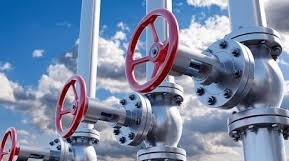
For manufacturing plants, processing facilities, and industrial operations, managing surplus equipment is a constant, evolving challenge. As technology advances, production demands shift, and facilities undergo modernization upgrades, older machinery is inevitably left behind. However, strategic industrial asset recovery isn’t just about clearing out dusty warehouse space or keeping a facility tidy. It is a critical, high-impact business process that unlocks trapped capital, minimizes ongoing overhead liabilities, and keeps your entire operation running lean. When heavy machinery, electrical components, or processing lines reach the end of their operational lifecycle, allowing them to sit idle acts as a quiet drain on your bottom line through real estate consumption, insurance costs, and steep tax depreciation.
Many companies make the mistake of letting obsolete equipment gather dust simply because the logistics of removal seem too daunting. This inertia is costly. Every square foot of a facility dedicated to storing unneeded hardware is a square foot that isn’t generating active revenue. Furthermore, industrial components deteriorate when left unmaintained in storage environments, exposed to moisture, dust, and temperature fluctuations. By treating asset recovery as an immediate operational priority rather than an afterthought, leadership can actively convert depreciating liabilities into liquid working capital.
Partnering with an industry specialist ensures that you evaluate your machinery accurately according to real-time secondary market demands. The scope of a comprehensive recovery process is vast, capable of handling everything from specialized individual valves, instrumentation, and complex electrical switchgear to massive heavy machinery, assembly setups, and even full-plant liquidations. Attempting to manage this process internally often pulls your maintenance and engineering teams away from their primary responsibilities. A specialized partner possesses the deep industry connections and historical pricing data necessary to recognize value where an untrained eye might only see scrap metal. By prioritizing this structured, systematic approach, businesses can safely and efficiently decommission old production lines while drastically maximizing the net financial return on their past physical investments.
Beyond the clear financial advantages, modern industrial asset recovery plays a massive, undeniable role in corporate sustainability and environmental stewardship. Today’s industrial sector faces strict regulatory scrutiny regarding waste management and carbon footprints. Leaving decommissioned assets to rot or discarding them improperly can result in severe environmental penalties. A professional recovery strategy addresses this by prioritizing the circular economy: properly recycling scrap metals, refurbishing salvageable equipment for alternative secondary markets, and disposing of complex industrial materials in total compliance with local and federal regulations. This sustainable lifecycle management not only protects your enterprise from legal liability but also strengthens your brand’s corporate social responsibility (CSR) profile.
Ultimately, trying to navigate the complexities of equipment removal, market valuation, and heavy rigging on your own is a recipe for operational disruption. Working with a deeply experienced asset recovery team completely redefines the experience, turning a massive logistical headache into a smooth, safe, and highly profitable transition. It allows your business to clear out the old, optimize current facility workflows, and inject fresh capital back into your core operations to fund future growth.